Hello April Svg Review
As a designer who spends half my life troubleshooting thread jams and the other half trying to make digital files look like tangible, high-quality products, I approach every new T-Shirt Designs download with a healthy dose of skepticism. We have all been there: you see a cute phrase or a trendy graphic in a Graphics category, buy it for a quick project, and then stare at your hoop wondering if it will actually stitch out cleanly. Today, I am putting the Hello April Svg design through its paces. This isn’t just about whether the file opens correctly; it is about how this specific design translates from a screen into a physical object that customers are willing to pay for.
First Impressions and Visual Personality
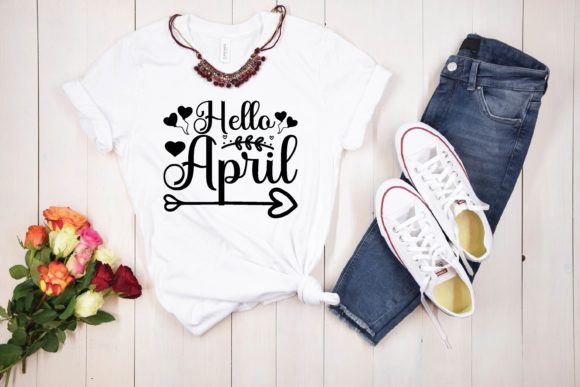
The name itself suggests a seasonal vibe, likely tied to spring aesthetics, but as an embroidery designer, I look past the text to the underlying structure. The Hello April Svg creates an immediate mood of freshness and casual warmth. It feels less like a rigid corporate logo and more like a friendly greeting card come to life. When I first loaded this into my digitizing software, what struck me was the balance between simplicity and character. It does not rely on overly complex shading or intricate details that might get lost in the stitching process. Instead, it leans into clean lines and readable typography, which is exactly what you want when you are designing for mass appeal or personalized gifts.
The visual personality of this design is approachable. It screams "handmade boutique" rather than "factory print." For those of us running small shops or selling at craft fairs, this distinction matters. Customers can often tell the difference between a design that was thoughtfully digitized for fabric and one that was just traced from a vector. The Hello April Svg feels intentional. It has a lightness to it that works beautifully for spring collections, baby showers, or even early birthday celebrations where a fresh, new-month theme is appropriate.
Real-World Application: From Screen to Stitch
Let’s talk about real use cases. Imagine you are preparing a batch of custom embroidered tote bags for a local farmer’s market or an online Etsy shop. You need something that pops against canvas but doesn’t overwhelm the bag’s texture. The Hello April Svg fits this niche perfectly. Because it is a machine embroidery design that likely utilizes a mix of fill stitches for any graphical elements and satin stitches for lettering outlines, it offers good coverage without becoming too heavy. If you pair this with a sturdy cotton canvas tote, the design will hold its shape wash after wash.
Consider another scenario: personalized baby items. Spring is peak season for newborn gifts. A onesie or a burp cloth featuring this design could be a hit. However, working with baby clothes requires a different mindset. The fabric is often thinner and stretchier. Here, the Hello April Svg needs to be handled with care. If the design includes dense areas, it might pucker the delicate jersey knit of a onesie. But if used on a stiffer muslin or a flannel blanket, the stability of the design shines. It brings a sense of occasion to everyday items, making a simple tea towel feel like a thoughtful wedding gift or a housewarming present.
I also see strong potential for home decor applications. A pillow cover made from linen or a lightweight cotton blend would benefit from the airy feel of this design. It adds a pop of seasonal color without cluttering the room’s aesthetic. For the creative entrepreneur, this versatility is gold. One file, multiple product types—from sweatshirt embroidery for cooler spring evenings to holiday embroidery themes that bridge into Easter or Mother’s Day.
Where Caution Is Required
No design is perfect for every surface, and being honest about limitations is part of professional review. There are specific situations where the Hello April Svg might struggle. First, avoid using this on highly textured fabrics like heavy tweeds or bouclé wool. The needle penetration required for a clear stitch-out will be inconsistent, leading to skipped stitches or distorted shapes. Similarly, thin fabrics like silk or very fine polyester blends can suffer from the tension needed to keep the design taut in the hoop.
Another area to watch is small hoop sizes. If you are attempting to embroider this on a cap brim or a tiny pocket patch, you must ensure the design scales down properly without losing legibility. Tiny lettering can merge into blobs if the stitch density is too high or the font weight is too thin. Always inspect small details before committing to a final run. Furthermore, dark fabrics require careful thread selection. While the design might look crisp on a white background mockup, the contrast on navy or black fabric depends entirely on your choice of bright or metallic threads. Without proper contrast, the design loses its impact.
Technical Notes for the Embroidery Designer
Before you rush to produce a hundred units for your craft business, there are several technical steps you should take. First, test the design on scrap fabric that matches the weight and stretch of your final product. This is non-negotiable. It allows you to check the stitch density and see if the fabric puckers under the tension. If you notice bunching, you may need to adjust the stabilizer—perhaps switching from a cut-away to a tear-away, or adding a top stabilizer for delicate materials.
Thread color testing is equally important. Don’t just assume the colors in your digital preview will translate well. Lay out your actual spools next to the design. Does the combination create enough visual separation? For a design like Hello April Svg, which likely relies on clarity, poor color choice can ruin the readability. I also recommend reviewing the design in black and white mode within your software. This helps you judge the value contrast independent of color, ensuring that the shapes remain distinct even if the colors are similar.
Confirming the hoop size is critical. Ensure the design dimensions fit comfortably within your machine’s maximum hoop size, leaving enough margin for hooping stability. If you plan to sell finished items commercially, double-check the licensing terms associated with the file. Many digital embroidery files come with restrictions on how many finished goods you can sell or whether you can modify the design. Respecting these terms protects your reputation and avoids legal issues.
Final Verdict on Product Value and Appeal
From a branding perspective, using a well-executed design like Hello April Svg enhances customer trust. It signals that you pay attention to detail. When a customer receives a handmade product where the stitching is even, the edges are clean, and the message is clear, they are more likely to leave a positive review and return for future purchases. This design supports brand consistency by offering a versatile aesthetic that fits within a broader spring or lifestyle collection.
In terms of buyer engagement, the personalization aspect cannot be overstated. Adding a name or date to a base design like this increases its perceived value significantly. It transforms a generic item into a unique keepsake. For Etsy sellers and small shop owners, this means higher conversion rates. People buy the story and the sentiment behind the item, and Hello April Svg delivers that emotional connection effectively.
Ultimately, the Hello April Svg is a solid addition to any designer’s library. It is practical, aesthetically pleasing, and adaptable to a wide range of embroidery projects. Whether you are creating a custom apparel line, crafting a personalized gift for a friend, or stocking your booth with boutique branding items, this design holds up. Just remember to respect the fabric, test your settings, and always prioritize quality over speed. When done right, the result is not just a stitched image, but a piece of art that people will cherish and use for years to come.